This is CorpWatch Ireland

For years, the Irish government has bowed to the pressure of big corporations who have rigged the rules in their favour. While working people struggle to afford rent and wait years for healthcare, corporate CEOs dodge taxes, lobby for unfair legislation and get away with trashing our waters and air. This isn’t how democracy is supposed to work. 

It’s time for a different story. We can build a democracy that actually serves the people. But only if we shine a light on our current broken system and hold the government accountable to act.


It’s time to reset the rules to make politics about people. Not corporate profit.

What are we calling for

What is CorpWatch Ireland?

Get involved

Big Tech and Data Centres

Corporate tactics:

  • Avoiding tax 
  • Lobbying 
  • Enjoying direct access to decision-makers
  • Privatising public services
  • Limiting community opposition to projects with legislative reform

Harms:

  • Increasing energy bills, thanks to soaring energy demand from data centres
  • Derailing Ireland’s climate targets
  • Sucking up huge amounts of water for data centres
  • Reinforcing a vulnerable economy that’s overly reliant on tax from US companies 

Read more

How big tech affects our lives

Many of the largest US tech companies, like X, Meta and Apple, are headquartered in Ireland. This is so they can take advantage of government policies that allow them to pay much lower than average tax rates. 

To secure these companies’ continued presence, the government has enabled rapid development of data centres, with Ireland now described as the ‘data centre capital of the world’. These are placing a huge strain on energy demand and water supply, while also increasing Ireland’s climate emissions. Predictions suggest that data centres could account for 31% of all energy demands in Ireland by 2027

Key facts

  • Irish public finances are reliant on the tax income from a handful of large US-based tech corporations giving the companies disproportionate influence over government policy
  • Ireland’s tax system facilitates billions in tax avoidance for these multinational corporations contributing to a global concentration of wealth and power among a small number of individuals and companies. Ireland’s generous incentives or big-tech companies has contributed to the global AI hype
  • Data centres are rapidly expanding in Ireland leading to huge increases in energy consumption, water usage, and barriers for achieving legally binding climate targets. Ireland has been characterised as the data centre capital of the world
  • Irish households pay approximately 30% more for electricity per year than the average EU home, and Ireland has the third-highest electricity prices in Europe, even though it is largely big tech companies that are putting this pressure on the grid.
  • Ireland has positioned itself as EU regulator for tech and AI despite concerns about the government’s close relationships with tech companies and its regulatory effectiveness 

Case studies

Apple: facilitating tax avoidance for large corporations 

In 2016, after a two-year investigation, the European Commission formally accused the Irish government of unique tax schemes that aided Apple in paying substantially less tax than other corporations, violating EU rules. 

Apple had used what is referred to as “the Double Irish” scheme (the practice of using two Irish hybrid affiliates to shift profits and minimise tax liability) so Apple paid no tax on the majority of its offshore profits. Apple paid an effective corporate tax rate of 1% in 2003, which declined to 0.005% in 2014 on profits. 

The EU demanded that Apple pay back €13 billion (plus interest of €1.2 bn) to the Irish state, which the Irish government initially resisted, arguing that such tax advantages were beneficial for attracting MNCs to invest in Ireland. The Irish state sided with Apple against the Commission, despite the fact that the €13 bn is roughly 10% of Ireland’s gross tax revenue in 2023.

Ireland’s compliance in allowing corporations to shift profits has not only led to revenue loss in Ireland but significant revenue losses in low- and middle- income countries. India is among the biggest losers globally from corporate tax avoidance.

National Broadband Plan: privatising public services for corporate profit

The National Broadband Plan (NBP) was published in 2012 and involved bringing reliable, high-speed internet and communications networks throughout Ireland. Early on the government handed the NBP over to private investors. KPMG was contracted to provide “financial, commercial and procurement advisory services” and a company called National Broadband Ireland (NBI) was awarded the contract. 

While the shareholders of NBI have made large profits, the Irish government does not own the critical infrastructure. The ultimate controller of NBI is the Irish-American investor David McCourt who is founder and chairman of Granahan McCourt Capital. It was revealed in 2019 that Granahan McCourt’s initial investment would be one-fifteenth that of the Irish taxpayer, and that at the end of the contract the infrastructure would belong to the company and not the state. 

The Irish government’s approach to privatising public services has resulted in public funds supporting private ownership and contributing to large corporate profits for public services.

Corporate tactics:

  • Shifting profits through Ireland’s tax haven
  • Lobbying the EU, with Ireland as a mouthpiece
  • Avoiding transparency on profits and tax 
  • Making secret payments to public health organisations and practitioners
  • Monopolising the market

Harms:

  • Irish people unable to access life-saving medicines or having to pay extortionate prices
  • Healthcare system underfunded, while pharmaceutical companies pay little to no tax 
  • Lower quality of medical care, with secret pharmaceutical payments influencing medical professionals to prescribe more drugs, at a greater cost, and encouraging more use of specific drugs like opioids 

Pharmaceuticals and health

Read more

How the pharmaceutical industry affects our health

9 of the 10 largest pharmaceutical companies in the world are located in Ireland. 50% of all Irish exports are pharmaceuticals, with Ireland now the largest exporter in the EU. These companies use Ireland as a tax haven, exploiting tax credits and loopholes. They are able to declare huge profits through their Irish subsidiaries, while paying little-to-no tax on them. 

Key facts

  • Ireland’s tax structures facilitate a tax haven for pharmaceutical companies. A lack of transparency obfuscates total profits and how they are taxed
  • Multinational pharmaceutical company Abbot paid no tax on profits of €1.2 billion declared in Ireland in 2015, resulting in an estimated loss of €155 million in taxes from one company
  • Irish patients often wait three times as long for medicines than other comparable European countries, despite the amount of medicines manufactured in Ireland
  • Successful pharmaceutical industry lobbying resulted in a change of government stance towards EU proposals to reform pharmaceutical regulations. This included the government’s support to continue a controversial 8-year protection rule over data that allows pharmaceutical firms to monopolise the market and prices for new medicines and products over a set period of time
  • The pharmaceutical industry pays Irish healthcare organisations and healthcare professionals millions of euro each year, but there is limited oversight or transparency around these payments

Case studies

BMS: Restricting access to life-saving cancer treatment 

When the European Medicines Agency approves a new medicine, each EU member state must make reimbursement deals with producers individually. These negotiations are secret and EU countries are pitted against each other, so companies can choose where is most profitable to launch their drugs. Governments are often charged extortionate amounts for life-saving medicines or are priced out of administering them, as this case study shows.

Opdivo is a cancer treatment drug produced by US drugmaker BMS (Bristol-Myers Squibb).  In 2018, Ireland and BMS could not agree on Opdivo’s price. While estimates suggest that similar antibodies to Opdivo can be produced for between €8.85-€18.60 per 100mg, BMS were negotiating €1,311. 

When the therapy was opened to stage three melanoma patients, the drug was restricted to stage four in Ireland due to the high costs of the drug for the Irish government. Miriam Staunton’s story shows the real-life impacts of this. 

Miriam, a 51-year-old woman, had a tumour removed from her armpit in 2018 with a 70% chance of relapse. In the following months, she was offered local radiation and regular check-ups, but no drug treatment, despite these being available in other parts of Europe. Within a year, the melanoma had spread throughout her entire body. Only then was she entitled to drug treatment. Ironically, BMS makes Opdivo in Dublin, close to Staunton’s home.

Lobbying the Irish government to put corporate profits first in EU debate

The European pharmaceutical industry’s powerful, multimillion-euro lobbying machine is particularly active in Ireland, due to the number of pharma giants in the country. It has been successful in pushing the Irish government to adopt a pro-industry stance in the EU debate.

This involves the Irish government opposing EU legislation that would benefit patients. These changes would reduce the timeframes that a company owns a patent on new drugs, allowing generic drugmakers to more easily produce alternatives, but threatening big companies’ profits and ability to monopolise the market.

Lobbying included a letter from the Irish Pharmaceutical Healthcare Association to the then-Taoiseach Simon Harris in 2024, warning the changes could affect manufacturing jobs in Ireland and Europe. In April 2025, 30 pharmaceutical companies came together in a letter to the European Commission warning that they may divert up to €100 billion worth of planned investment in Europe to the U.S. and elsewhere. They also lobbied for a pause on new rules that make pharmaceutical companies contribute towards the cost of urban waste treatment.

Farming and agriculture

Corporate tactics:

  • Lobbying 
  • Greenwashing 
  • Close relationships with media
  • Commissioning biased reports to support industry positions
  • Access through positions on government and regulatory boards

Harms:

  • Squeezing out smaller family farms
  • Polluting waterways
  • Fueling climate damage 
  • School children fed big agriculture propaganda in school

Read more

How Big Agriculture affects us

Since joining the EU in 1973, the Irish government has heavily incentivized dairy and beef exports. This has concentrated wealth and power within a narrowly focused agricultural industry lobby, that has effectively blocked regenerative and sustainable agricultural policy in Ireland. By dismissing the ecological devastation of intensive beef and dairy, the agricultural lobby continues to threaten the future of healthy food systems in Ireland.

Key facts

  • Ireland’s agricultural lobbying organisations align more with corporate interests than the needs of individual farmers and farming families
  • The 2023 Teagasc farm survey showed that the majority of profits from the agriculture sector are going to anonymous shareholders. 
  • Ireland’s large agricultural lobby has successfully resisted environmental legislation resulting in ecological destruction of land, water and climate
  • Lobbying has resulted in exemptions from EU rules allowing harmful practices, such as the Nitrates Derogation which has been extended despite its impact on Ireland’s deteriorating waterways
  • Corporate interests in Irish agriculture have invested in the media and research to legitimise and normalise narratives that benefit and reinforce corporate power. A dense network of intersecting media, research and other organisations amplify corporate power and corporate interests in farming and agriculture
  • 90% of Ireland’s beef and dairy products are exported, with dairy being the largest category of food exports. From 2013 to 2023, the number of dairy cows has increased by 41.6%, contributing to increased climate emissions

Case studies

Nitrates Derogation: lobbying for water and climate pollution

The EU has rules in place to protect waterways from harmful levels of nitrogen pollution. However, member states can apply for an exemption from these rules with a Nitrates Derogation, which allows certain farms to use larger amounts of manure fertiliser. This has negative environmental consequences: it means more nitrogen pollution in waterways and more climate pollution as this fertiliser also releases significant amounts of greenhouse gas. 

Ireland has had a Nitrates Derogation since 2016 and in this time, water quality has declined severely. Almost half of all rivers are now polluted. However, in December 2025 after intensive lobbying, Ireland was given another 3-year extension. It is now the only EU relying on this loophole. 

The Nitrates Derogation benefits only 5% of Ireland’s largest farms. These are mainly dairy farms, many of which belong to huge shareholder investors that rely on intensive farming practices to maximise profits. Major dairy exporter Dairygold, which made a €23.9 million post-tax profit in 2023, pledged to work “hand in hand with the government” to protect its dairy farms – 60% of which are in derogation. Six major dairy and meat processors, farm lobby organisations and co-operatives, including the Irish Farming Association (IFA) also launched a joint declaration in support of the derogation in 2024, which was timed to coincide with the European Commission’s visit to Ireland. 

Many small scale producers have spoken about how excessive nitrates are wrecking their land, and that they want a more holistic alternative that will secure farmers a sustainable long-term future. The Nitrates Derogation makes farmers less resilient and more dependent on external inputs such as excessive nitrogen fertiliser, which is the only way agribusiness can continue doing industrial scale agriculture.

Greenwashing the school curriculum

Because Ireland’s National Council for Curriculum and Assessment (NCCA) does not decide what materials are sent to schools, agriculture lobby groups are able to provide misleading “curriculum-ready” educational materials. 

Agri Aware, funded by numerous agricultural players, including Kerry, the Irish Food Board and the IFA, developed a series of 60-page workbooks called “Dig In” to over 3,200 primary schools in November 2020. DeSmog investigated these “curriculum-ready” materials and found that Big Ag’s materials were misrepresenting the role of agriculture contribution to climate change, pollution and biodiversity. For example, a graphic portrays the circular flow of trees emitting oxygen, which is taken up by cows, who breathe out CO2, which is then absorbed by the trees. In reality, Irish farm animal emissions are four times greater than emissions removed by forestry. There is also no mention of the release of methane from animals, a greenhouse gas that is 86 times more potent than CO2 over a 20-year period.

The National Dairy Council also produced material, claiming that “grasslands soak up carbon from the atmosphere, helping to partly offset some of the carbon emissions produced by agriculture”. However, EPA data shows that Irish grasslands are a net source of approximately 7 million tons of CO2 annually.

Corporate tactics:

  • Lobbying 
  • Weakening and delaying policy reform
  • Directly shaping public health policy
  • Funding biased research
  • Pushing media narratives that focus on personal responsibility
  • Price gouging 
  • Stacking government taskforces with industry people

Harms:

  • Irish people experiencing worse health outcomes
  • Exposing people to known toxic chemicals
  • Delaying alcohol reform
  • Less access to local, fresh food, while dairy and beef exports are intensified

Food and drink

Read more

How big corporations affect our food and health

Ultra-processed foods and alcohol are associated with a range of non-communicable diseases (NCDs) including obesity, type 2 diabetes and cancers. There are effective policies to prevent and control NCDs, such as taxation on products and restricting advertising. However, these have never been implemented in Ireland thanks to powerful lobbying from the food and drinks industry.

Key facts

  • Corporate actors in the Irish food and drinks industry have strong influence lobbying the EU and the Irish Government 
  • Despite negative health impacts of ultra-processed foods and high quantities of sugar, the food industry’s profit-seeking priorities are influencing diets and public health
  • The Irish drinks industry (alcohol industry) actively collaborated and shaped alcohol policy as member of a strategic taskforce and consulted partners despite clear conflicts of interest. As an industry focused on increasing product sales and shareholder profits, their involvement in shaping public health policies is problematic
  • The power of the Irish alcohol industry is reflected in the 2025 decision to postpone the new warning labels on alcohol
  • The hotel industry has lobbied for a lower VAT rate, despite evidence that this allowed for huge price gouging in the past. A lower VAT would not lower food prices or benefit lower-income families

Case studies

Public Health (Alcohol) Bill: Shifting the focus to private profit

The Public Health (Alcohol) (PHAA) Bill was enacted in 2018, containing a set of measures designed to reduce overall alcohol consumption with the hope to reduce harm to health and society. 

Regulatory policies included raising retail price of alcoholic drinks by tax increases, regulating physical availability of alcohol, and restrictions on alcohol advertising in public spaces, media outlets and at events.

From the PHAA’s origins in 2009 to its passage to law in 2018, it faced considerable opposition and lobbying from the alcohol industry. Although the campaign to defeat the entire bill was unsuccessful, it was able to significantly water down sections. For example, the ban on sports sponsorship was omitted from the government’s legislative plan.

Banking and finance

Corporate tactics:

  • Lobbying – Irish and EU level
  • Direct access to government 
  • Lack of transparency

Harms:

  • Removing safeguards against environmental and human rights
  • Fueling climate damage

Read more

How the finance industry affects our lives

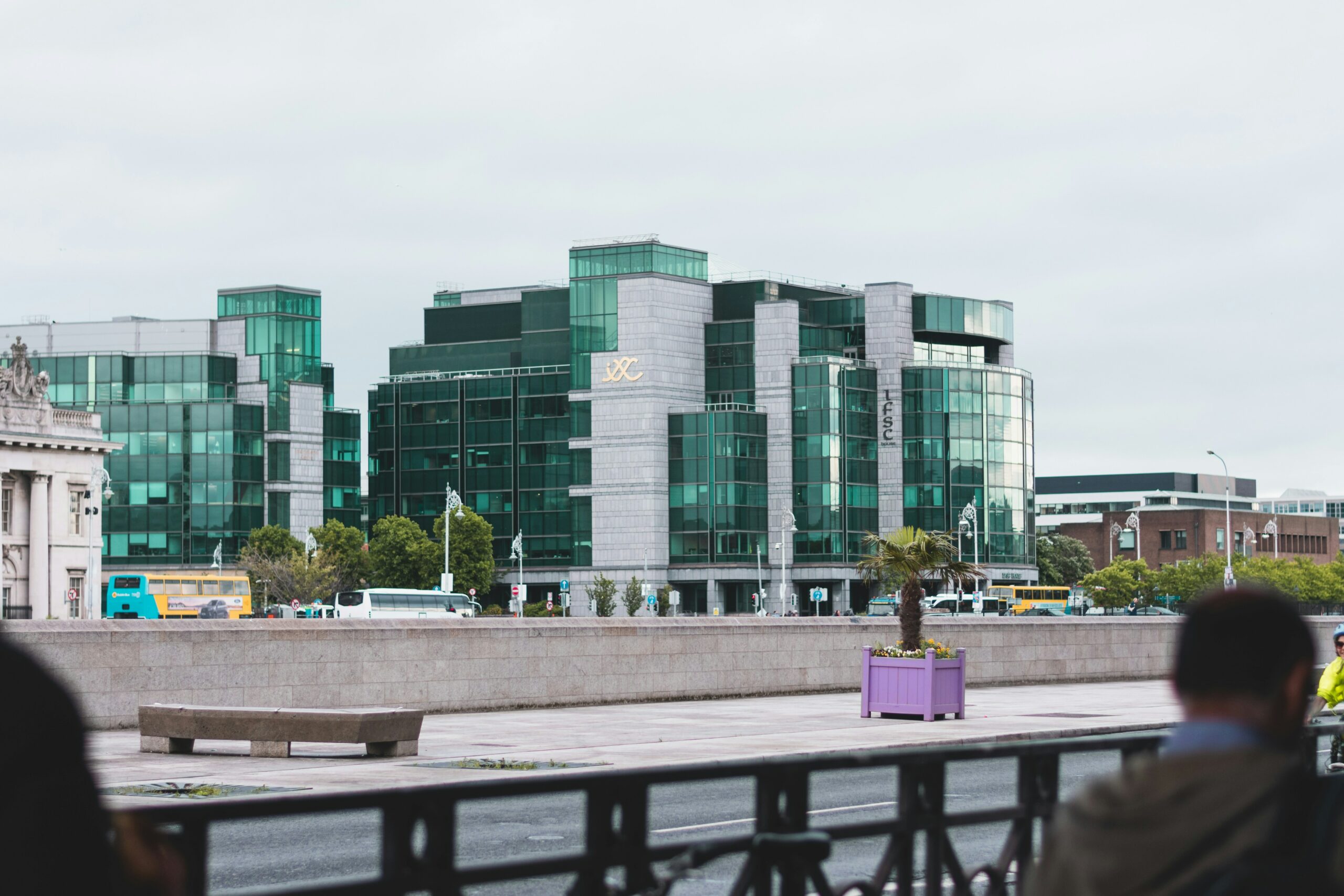
The financial services industry in Ireland is broadly composed of banks, investment banks, insurance companies, funds, brokerages, leasing corporations, credit card companies, and associated financial accounting services. Building and maintaining a competitive and international financial services sector in Ireland has been a central aspiration of successive Irish governments since the establishment of the Irish Financial Services Centre (IFSC) in Dublin in 1987. Ireland is a hub for multinational financial institutions, hosting over 430 corporations across the sector.

Key facts

  • Significant financial corporate lobbying at the EU Level has diluted or removed obligations of the financial sector to sustainability and supply chain due diligence policies
  • Over €31 billion in fossil fuel investments are held by Irish-based subsidiaries of international investment companies
  • A ‘Clearing House’ of elite financial industry representatives with direct and regular access to top government officials resulted in 21 policy changes to the Finance Act that directly benefited the industry.

Case studies

Funnelling investment to fossil fuel expansion

A joint report by Action Aid and Trócaire highlights that €31 billion in fossil fuel investments are held by Irish-based subsidiaries of investment companies, while 91% of investments in fossil fuel companies are with corporations that have plans for fossil fuel expansion. Ireland is 14th globally in terms of fossil fuel investment by manager location, enabling the flow of billions of euros to fossil fuel expansionists. 

Ireland’s policies facilitate Ireland’s outsized role investing in fossil fuel companies. In September 2023, then Taoiseach Leo Varadkar was asked about regulating finance flows to environmentally harmful industries. He responded “Those funds would just be managed somewhere else. I do not think moving them offshore would actually have an appreciable benefit for the environment”. 

The government’s landmark Fossil Fuel Divestment Act 2018, which ensures public money from the Ireland Strategic Investment Fund (ISIF) divests from fossil fuel companies, concentrates on undertakings and exploration rather than fossil fuel use. It also excludes indirect investment through hedge funds. A report by Action Aid highlights that in 2023, the ISIF held US$ 11.2 million in fossil fuel attributed bonds and shares in the Global South and a further US$ 12.5 million in agribusiness in the Global South.

Corporate tactics:

  • Increasing reliance on the private sector to provide housing
  • Exploiting tax loopholes
  • Buying up entire housing estates 
  • Setting the market price of housing 
  • Deflecting focus onto planning laws
  • Directly influencing government policy
  • Lobbying 

Harms:

  • Making it harder and more expensive for people to find a home
  • Reducing living standards
  • Billions of euros worth of housing and land now owned by foreign investment funds
  • More people being evicted and forced into homelessness

Construction and Housing

Read more

Corporations and private investments vs. housing

Ireland is heavily dependent on the private market and investors to provide housing. Government policies have encouraged global investors, particularly ‘vulture funds’, via tax incentives, sectoral engagement, and the sale of land at extremely discounted prices.

Key facts

  • Ireland’s reliance on the private market to provide housing has led to a rapid rise in housing insecurity, economic displacement, homelessness and international financialisation of housing
  • The purchase of residential property by global estate funds correlates with the increase in rent prices across Ireland. Between 2013 and 2021, the national average rent increased by 76% and 132% in Dublin
  • Vulture funds are able to pay extremely low taxes by exploiting loopholes. In 2016, 15 companies paid just €8,000 in tax, despite having in their control €10.3 billion worth of assets in Ireland. This is estimated to be a loss of up to €500 million over two years to the Irish government 
  • Investors bought up to a fifth of all homes in Ireland in 2017
  • Powerful private-sector lobbying groups have actively contributed to a development-driven agenda and policies that reinforce a reliance on profit-seeking companies to deliver new homes

Case studies

Housing for All? Housing for developer profit

In summer 2025, major developers and industry groups were invited to make submissions to the government before the publication of an updated National Development Plan (NDP) and a new Housing for All plan. A few months later, Housing Minister James Browne proposed numerous changes to housing standards that are hugely beneficial for big developers, whilst likely to reduce the living standards of people.

These involve cutting the minimum size of apartments to encourage developers to build more apartments. The requirement for a certain number of one-bedroom and three-bedroom apartments per development will be removed. This will increase the number of smaller studio apartments compared to one-bedroom units, which could save developers over €41,000 per unit. The government’s new guidelines also allow developers to save through reducing the number of balconies and windows under certain conditions, and removing the need for mandatory communal cultural floorspace in apartment developments. 

These changes are primarily geared towards cutting construction costs and increasing developer margins. While this might result in more units being built, it risks prioritising quantity over quality, with long-term negative consequences for urban liveability.

Education and research

Corporate tactics:

  • Greenwashing 
  • Investing in public universities and research centres
  • Promoting AI in teaching and research
  • Privatising early childhood care

Harms:

  • Driving a corporate-focused research agenda
  • Deprioritising research for the public good 
  • Making it more expensive and more difficult to access quality childhood care 
  • Forcing families, specifically women, to leave the workforce to care for children

Read more

Education, economy and community

Since the 2008 financial crisis, public funding for Ireland’s higher education has been severely constrained. In response, the Irish government has introduced key policy reforms to address the funding shortfall, including encouraging private sector investment and creating a more commercialised research and teaching landscape. This has opened the door for academic capture, allowing private sector interests to leverage the power of publicly funded universities to advance their interests.

Key facts

  • Ireland’s strong public education system has been an economic, social and cultural strength for the country. But a lack of sufficient public investments in education and research has made the sector vulnerable to corporate capture, particularly in third level
  • Between 2008 and 2019, core public funding for universities decreased by 50%, and by 2022 reported a funding gap of €307 million annually
  • Corporate influence in education (including corporate greenwashing) are evident in primary and secondary schools as well as third level
  • The state’s priorities for investing in research have been dominated by commercially oriented assumptions of profit-seeking, private-sector logic. Examples of corporate capture of public funds for research are numerous, while research prioritising the public good, ecological health and the urgent needs of people and communities continues to be deprioritised and marginalised
  • Corporations have strategically invested in Ireland’s public universities to advance their interests
  • Ireland’s universities have been legitimising and amplifying the corporate hype surrounding AI by promoting AI in teaching, learning and research
  • Ireland has the highest level of private provision of Early Childhood Care and Education (ECEC) of any OECD country. This has led to high costs and unequal access, while there has been a proliferation of large corporate entities profiting.

Case studies

Ryanair: funding research to greenwash sustainable aviation

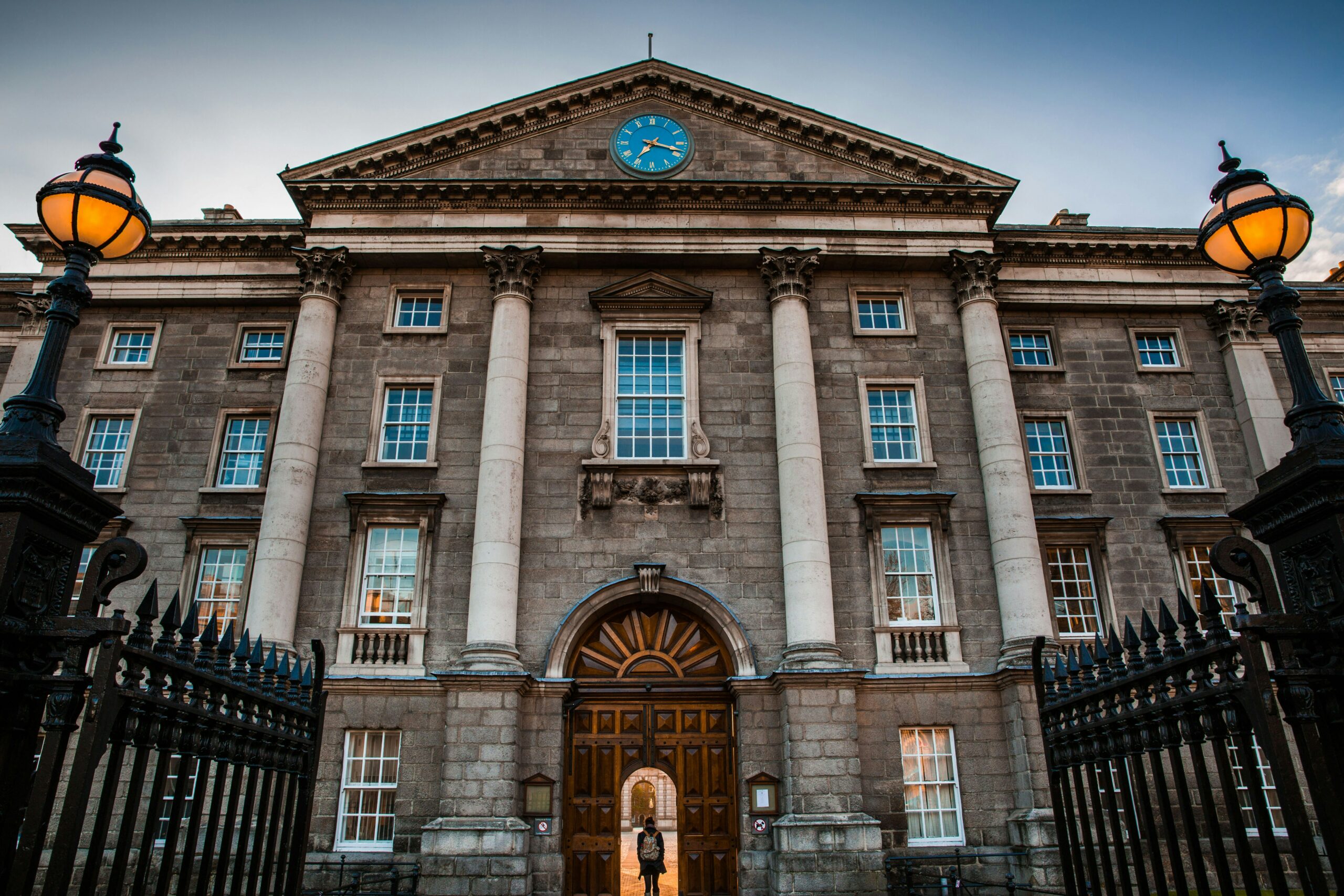
In April 2021, Ryanair donated  €1.5 million to Trinity College Dublin to establish the Ryanair Sustainable Aviation Research Centre. Its purpose was to research sustainable aviation fuels, zero carbon propulsion systems, and noise mapping. This move followed Ryanair’s ranking as Europe’s 10th most polluting company in 2019. 

Despite broad publicity surrounding this partnership with Trinity, Ryanair’s CEO has since publicly discredited sustainable aviation fuels, compounding concerns about the company’s history of greenwashing. The UK’s Advertising Standards Authority reprimanded Ryanair over misleading and insubstantial green environmental claims in its advertisements, and the company has invested heavily in lobbying against environmental regulations in aviation.

This partnership reflects a broader pattern of fossil fuel-linked investments in Irish universities, raising questions about corporate priorities and the true impact of such funding on sustainability efforts.

Corporate tactics:

  • Lobbying 
  • Actively engaging in energy and climate policy 
  • Using Ireland to funnel investments towards fossil fuels
  • Greenwashing LNG
  • Bribing and intimidating communities to win support

Harms:

  • Billions of taxpayer money at risk of being used to build fossil fuel infrastructure and pay huge EU fines
  • Increasing energy bills for Irish families 
  • Supporting destructive fracking for gas in the US 
  • Less support for community-owned renewable energy
  • Destroying land for mining

Energy, fossil fuel and mineral extraction

Read more

Energy, fossil fuel and Ireland

Ireland’s energy systems still rely heavily on imported fossil fuels for transport, heating and electricity generation, so those representing fossil fuel importers and distributors are actively engaged in lobbying and policy-making on energy and climate policy. Although Ireland does not have a major fossil fuel industry, it is deeply embedded with the global fossil fuel industry through Irish-based subsidiaries of companies that are investing heavily in fossil fuels. 

Building new fossil fuel import infrastructure, such as the proposed Shannon LNG terminal, is in direct conflict with Ireland’s climate obligations and the government’s previous opposition to importing fracked gas.

Key facts

  • Ireland’s energy systems still rely heavily on imported fossil fuels for transport, heating and electricity generation, so those representing fossil fuel importers and distributors are actively engaged in lobbying and policy-making on energy and climate policy
  • The cost of fossil fuel reliant energy policies is offloaded onto Irish households. Ireland is likely to miss the 2030 emission reduction targets facing fines of up to €26 billion. 
  • Ireland’s renewable energy deployment has expanded in the past decade, but policy has incentivised large-scale corporate projects while community-owned renewable projects have been dis-incentivised. The lack of support for community-based renewables and the lack of meaningful engagement with communities has resulted in widespread opposition to large corporate renewable energy projects in communities around the country
  • The US fossil fuel industry is pushing Ireland to build new fossil fuel infrastructure in the Shannon Estuary to import liquefied natural gas (LNG) from fracked sources
  • Rapid growth in data centres has increased energy demand (see details in big tech and data centres section)
  • Although Ireland does not have a major fossil fuel industry of its own, Irish-based subsidiaries of investment companies held €31.76 billion ($34 billion) in fossil fuel investments, making Ireland 14th globally in terms of fossil fuel investments (see details in finance and banking section)
  • Despite ecological harms, the Government of Ireland is actively encouraging mining through legislation and ecological surveys. A proposed gold mine in the Sperrin Mountains crossing the North and the South part of the island of Ireland has received strong community opposition

Case studies

Shannon LNG: energy for US data centres

Pressure from the US fossil fuel industry has contributed to the Government plan to build a €900 million ‘Strategic Gas Emergency Reserve’ (SGER) on the Shannon Estuary to import liquefied natural gas (LNG) from fracked sources. 

This is a U-turn on previous government policies, with statements from the Program for Government 2020 indicating the inappropriateness of developing a commercial LNG terminal and the lack of government support for importing fracked gas. More recently, there were a series of meetings between the former US ambassador to Ireland, and former minister for the Environment and climate Eamon Ryan to discuss “energy security” and the “policy landscape” for data centres, and the potential for “public private partnerships” on LNG imports.

The proposed Shannon LNG terminal is facing its third judicial review which is set to be decided in January 2026.

Dalradian: bribes and threats to win community support

Dalradian, a Canadian mining company, has been trying to build a gold mine and cyanidation plant in the Sperrin Mountains in Northern Ireland. Many residents are against the project due to the ecological damage it would cause to the area and its rivers, and there has been strong community-based resistance. 

Dalradian has tried to bribe the local communities on numerous occasions, including giving free Christmas hampers to residents in 2014. It set up the Dalradian Community Fund, giving money to different individuals and community groups, like sports clubs and charities, on the condition that you agree not to speak or act against Dalradian and consent to be used in their publicity.

The three-year exploration licence was due to end in January 2017, but the licence has been extended again and again, and is still open in 2025. Local group Save Our Sperrins lodged approximately 50,000 objections in the planning portal. Their members reported physical assault, public harassment, verbal abuse, intimidation, phone calls with threats of sexual harassment and death threats from the company.

Gambling

Corporate tactics:

  • Siphoning public funds
  • Lobbying 
  • Focusing on individual responsibility over industry harms  
  • Funding biased research
  • Watering down legislation
  • “Gamblification” of sport

Harms:

  • Encouraging problem gambling, leading to suicide in some cases
  • Allowing ongoing animal rights abuses
  • Contributing to thousands of dogs killed every year 

Read more

Gambling in Ireland

Gambling on horse and greyhound racing has a long history in Ireland, and the government continues to provide support to the industry. Because of the strength of the lobby and the cultural normalisation of gambling, policy makers often reinforce the harmful discourse that problem gambling is the fault of the minority, rather than a public health issue that needs a change in corporate behaviour.

Key facts

  • As part of Budget 2025, €99.1 million in taxpayers’ money was given to the Horse and Greyhound Fund, an increase of €4.1 million from Budget 2024. This is over 3 times the €30 million allocated to national sport governing bodies and local sports partnerships across the country.
  • Corporate lobbying consistently downplays the societal and ecological harms of gambling and racing
  • Although the majority of the Irish public is opposed to taxpayers’ money funding the greyhound industry, the industry continues to receive significant support
  • Ireland is one of only nine countries where commercial greyhound racing remains legal

Case studies

Gambling Regulation Bill

The Gambling Regulation Bill, passed in October 2024 is the first comprehensive legislation to regulate the gambling industry since 1956. The Minister of State at the Department of Justice encountered “endless” lobbying from the racing, betting and gambling industries, with over 60 listings of lobbying activity to politicians. One instance involved live advertising during sports. 

In 2025, the CEO of the newly formed Gambling Regulatory Authority of Ireland, announced that live advertising during sports events would no longer be permitted around pitches on Irish screens before 9pm. This meant that live broadcasted sports could not be shown before 9pm if they contained betting company advertising around the field. However, one year later, after a huge amount of lobbying from the industry, the Department of Justice announced that this ban will not take place. Watered-down advertising rules will now “not apply to the incidental background visibility of licensees logos during media coverage of events, for example, on hoarding in stadiums or venues”.

Corporate tactics:

  • Lobbying 
  • Controlling media narratives on militarisation and war
  • Secretive government meetings

Harms:

  • Weakening Ireland’s long-standing commitment to neutrality 
  • Impacting Ireland’s sovereignty

Military

Read more

How the military industry is building pressure in Ireland

The Irish military and arms industry is one of the smallest in Europe due to the country’s position on neutrality since World War II, as well as longstanding political and public resistance to increased military spending. However, a rapidly changing geopolitical environment has resulted in a monumental shift toward greater military spending and increasing military capabilities across the EU and in Ireland. 

In 2022, the Irish Government made a historic commitment to double the country’s annual military by 2028, with ambitions to eventually increase annual investments to €3 billion. The increased political appetite for spending on defence has provided unprecedented opportunities for arms manufacturers and military adjacent companies to expand their operations and create new close relationships with the Government.

Key facts

  • Pro-military lobbying group representing some of the world’s largest arms manufacturers has stepped up lobbying efforts in Ireland to increase overall defence procurement, dual-use technologies with applications in warfare, and change public perception of the defence industry
  • Government departments and lobbying bodies have struck an agreement to keep engagements confidential
  • Ireland’s sovereignty has been compromised by its economic reliance on US-based multinational corporations. The United States, and its military interests, including its defence industry and its fossil fuel industry, are influencing Irish sovereign policy in impactful and secretive ways that threaten Irish neutrality and Irish sovereignty
  • The devastating environmental consequences of militarisation are minimised by the dominant corporate narratives on the need for investment in weapons and preparing for war
  • Given how tech companies are now increasingly linked to militarisation, Ireland’s
  • approach to catering to the needs and demands of the US tech companies is impacting Ireland’s foreign policy

Case studies

Irish Defence and Security Association: secretive government meetings

The Irish Defence and Security Association (ISDA) is a registered pro-militarisation lobbying group. There have been increased, targeted efforts from the ISDA to influence policymakers and invest in public relations campaigns to shape public perceptions of military spending in Ireland. 

ISDA describes its membership as ‘Irish and Irish-based SMEs, research organisations and multinational corporations, all united by a common concern for Ireland’s security vulnerabilities’. Members of the ISDA include some of the largest international arms manufacturers in the world. The ISDA has met regularly with government officials, disclosing a total of 16 lobbying returns since it was formed in 2021. 

In 2022, the ISDA submitted a lobbying return for a meeting held with then Minister for Defence Simon Coveney at a networking conference to discuss increased defence procurement and dual-use technologies. Yet, the Department of Defence denied that this meeting took place. The Department of Defence has since acknowledged its agreement with the ISDA to keep details of their engagements confidential under the pretext of building trust and protecting this relationship against breaches of privacy.

Plastics

Corporate tactics:

  • Privileged access to government, over civil society 
  • Lobbying the EU, with Ireland as a mouthpiece 
  • Directly inputting on EU legislation
  • Rebranding from ‘plastics’ to ‘polymer technology’
  • Privatising recycling industry

Harms:

  • Increasing plastic pollution 
  • Hindering development of a circular economy in Ireland

Read more

Plastic in your life

Ireland is the number one producer of plastic packaging waste per capita in the European Union, generating 62kg of plastic waste per person per year. Described as ‘the backbone of Irish manufacturing’, the plastics industry in Ireland varies from processors, suppliers of raw materials, tools, machines and compounds, and services in terms of design and packaging.

Key facts

  • Proactive and behind-the-scenes engagement between Government and regulated lobbyist on latest EU policy developments of the Single Use Plastic Directive
  • The Government put forward several industry views favouring delayed implementation measures and questioned industry responsibility for litter clean-up costs
  • Civil society organisations were not given the same level of access or priority consultation as corporations and industry representatives

Case studies

Repak: Privatising the recycling industry 

Rather than implementing mandatory regulatory policies to recycling, Ireland has taken the approach of voluntary initiatives for companies. One of the most significant of these is Repak, established in 1995. Over 3,500 business memberships pay fees on the amount and type of packaging they place in the market. 

Repak advertise themselves as a ‘not-for-profit organisation with a social mission’ to ‘lead the recycling and sustainability of Ireland’s packaging’. However, it is a registered lobbyist, set up by businesses and owned by its members, including Tesco, Kellogg’s, Coca-Cola, Unilever, Aldi, Lidl who are some of the biggest corporate plastic polluters in the world. There are clear conflicts of interests in what Repak says is its mission, its close ties to the industry and position as a lobbyist.

A key problem with having a privatised recycling industry is the need to make recycling a profitable business. The rate of Irish glass recycling dropped from 47% during the 1990s to approx. 37% in 2000/20001 because of a drop in the price of recycled glass. To get waste contractors to recycle such waste, the government had to subsidise the recycling of glass. This shows the danger of having such an important service such as recycling in the hands of private companies whose main objective is to maximise profit.

Single Use Plastic Directive

The EU Single-Use Plastics Directive was introduced to reduce the impact of certain plastic products on the environment and promote a transition to a circular economy. During EU negotiations of this Directive from 2018-19, the Irish government pro-actively consulted with REPAK and promoted industry views, which was exposed by journalists through Freedom of Information Rules.

In October 2018, an Irish official sent an EU draft text to REPAK that proposed that litter clean-up costs should be shouldered by the industry and asked for a phone call “within the next 30 minutes” to discuss it. In another instance, a government official emailed Repak: “just to keep you in the loop on a development today.” Read the full report for more detailed accounts. 

Ultimately, delays were introduced to actions by several years, benefiting industry over civil society and environmental demands.

What are we calling for? 

Our future isn’t greedy corporations siphoning off our public money, resources and hurting people. It’s investment in business that supports people, communities, nature and public infrastructure. 

We’re calling on the government to stand up to big corporations and actually serve the people who elected it. That means:

1. Make corporations pay their fair share.

Close tax loopholes. Collect what’s owed. Every euro in tax is a euro that can fund the housing, healthcare, and infrastructure people need to live decent lives. When billion-euro companies pay lower tax rates than nurses and teachers, the system is broken—and we need to fix it.

  1. Shine a light on political influence. 

Full transparency on lobbying and handouts—at Irish and EU level. The public has a right to know who’s meeting with our politicians, who’s funding their campaigns, and who’s writing the legislation that governs our lives. Democracy can’t function in darkness.

  1. Make polluters face real consequences. 

When corporations poison our rivers or fuel climate breakdown, they must face actual penalties—not slaps on the wrist. Make them clean up their mess and pay for the damage they cause.

  1. Close the loopholes for destructive industries. 

Stop allowing companies to funnel money through Ireland to support industries like fossil fuels. We shouldn’t be complicit in their destruction just because they know how to exploit our tax system. Our values are worth more than being a money-laundering hub for planet-wreckers.

What is CorpWatch Ireland?

We’re a coalition of groups working to hold corporate power in Ireland to account. In the absence of government scrutiny, we’re a watchdog. 

Together, we’re exposing the insidious ways that corporate capture is impacting our lives – from driving up the price of housing, medicine and electricity, to polluting our waterways and wrecking our climate. And together, we’re fighting for a better system.

We can build a democracy that actually serves the people. But only if we fight for it and demand this government answer this question: whose side are they on?

Join the Fight

I want to join CorpWatch

Sign up here

By joining CorpWatch, we can build a strong community of like-minded people to fight big corporations. Are you in?

This website is based on information contained in the report Corporate Power in Ireland: A Review. The report has been co-authored by members of the Transformative Climate Justice Research Team at Maynooth University including Jennie Stephens, Caoimhe McSharry Daly, Laurie Reilly, Conchur Ó Maonaigh and Emanuela Ferrari. It is intended to be a resource for anyone advocating for constraints on corporate power, whether that be community groups and charities, journalists, or decision-makers in the Dail.